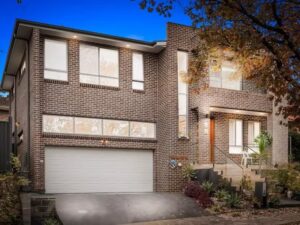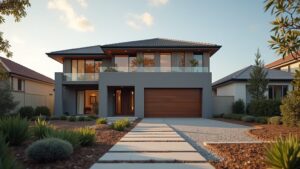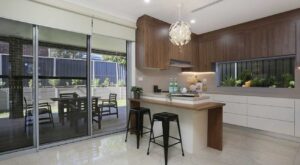
Something has shifted in how Sydney families are thinking about home design. The traditional model — young couple buys a home, raises kids, parents live separately until they need aged care — is giving way to a more connected, practical, and often more financially sensible arrangement: multi-generational living under one roof (or on one block). Nowhere is this trend more visible than in Sydney’s Hills District and Hawkesbury, where block sizes allow for the kind of thoughtful design that makes multi-generational living genuinely work.
Why Multi-Generational Living Is Growing
The drivers are real and practical. Sydney’s housing affordability crisis means that adult children are staying in — or returning to — the family home for longer. Ageing parents who want to remain independent but benefit from family proximity are increasingly choosing to live close to or with their children rather than move to retirement facilities. And for many families, the arrangement simply makes cultural sense — multigenerational households are the norm in many of the communities that call the Hills District home.
When you’re building a new home, this creates a genuine design opportunity: rather than retrofitting an existing house for multiple generations, you can design the perfect arrangement from scratch.
The Self-Contained Secondary Suite
The most popular solution in custom builds across the Hills and Hawkesbury is a self-contained secondary dwelling — essentially a studio apartment or one-bedroom unit that is physically connected to the main home but has its own entry, kitchenette or full kitchen, bathroom, and living space. This arrangement gives ageing parents genuine independence and privacy while keeping them close enough for family dinners and practical support.
From a planning perspective, a secondary dwelling on the same lot as the primary home is permitted in most residential zones across the Hills Shire and Hawkesbury councils, subject to size limits and design requirements. Your builder can advise on what’s achievable on your specific block under current planning controls.
Design Principles That Make It Work
Multi-generational homes succeed or fail on the quality of the separation between the different living zones. The key design principles that experienced builders apply include having a separate, clearly defined entry for the secondary dwelling that doesn’t require walking through the main home; acoustic separation between shared walls and floors to give each generation genuine privacy; separate utility metering where possible so energy and water costs can be managed independently; and connecting doors between the dwellings that can be locked from both sides — allowing connection when wanted and privacy when needed.
Universal design principles — wider doorways, step-free entries, level showers, lever handles instead of knobs — future-proof the secondary suite for ageing-in-place use even if it starts as a young adult’s space or home office.
The “Teen Retreat” Variation
Multi-generational design isn’t only for grandparents. Families with teenagers are increasingly designing homes with a clearly separated teenage zone — bedrooms, a bathroom, and a living area clustered away from the main family living spaces. This gives teenagers the independence they crave while keeping them safely under the same roof. As children grow into adults, this zone can transition smoothly into a more independent living arrangement.
The Financial Case
Beyond the lifestyle benefits, there’s a compelling financial argument for multi-generational home design. A well-designed secondary suite adds real value to the property — either as a rental income source if not occupied by family, or as a significant feature that differentiates your home in the market when it comes time to sell. In the Hills District and Hawkesbury, demand for homes with genuine dual living potential is strong, and premium prices are regularly achieved for well-executed examples.
The incremental cost of designing and building a quality secondary suite — typically $80,000–$150,000 depending on size and finishes — generally returns full value in property valuation while delivering significant lifestyle and family benefits throughout ownership.
Planning Your Multi-Generational Home
The best multi-generational home designs start with an honest conversation about how the arrangement will actually work in practice — who will use which spaces, what level of privacy each generation needs, and how shared areas like gardens will be managed. These conversations inform design decisions that can’t easily be changed once construction begins.
At Ozzie Dream Homes, we’ve helped many Hills District and Hawkesbury families design homes that bring generations together without sacrificing privacy or independence. If multi-generational living is on your agenda, let’s talk about how to get the design right from day one.